Experience · Jan 2019 – Oct 2021
Level 7 Plastics
Campus-scale plastics recycling and manufacturing venture at the University of Alberta, turning post-consumer HDPE into finished products. Became a permanent university research group in 2021.
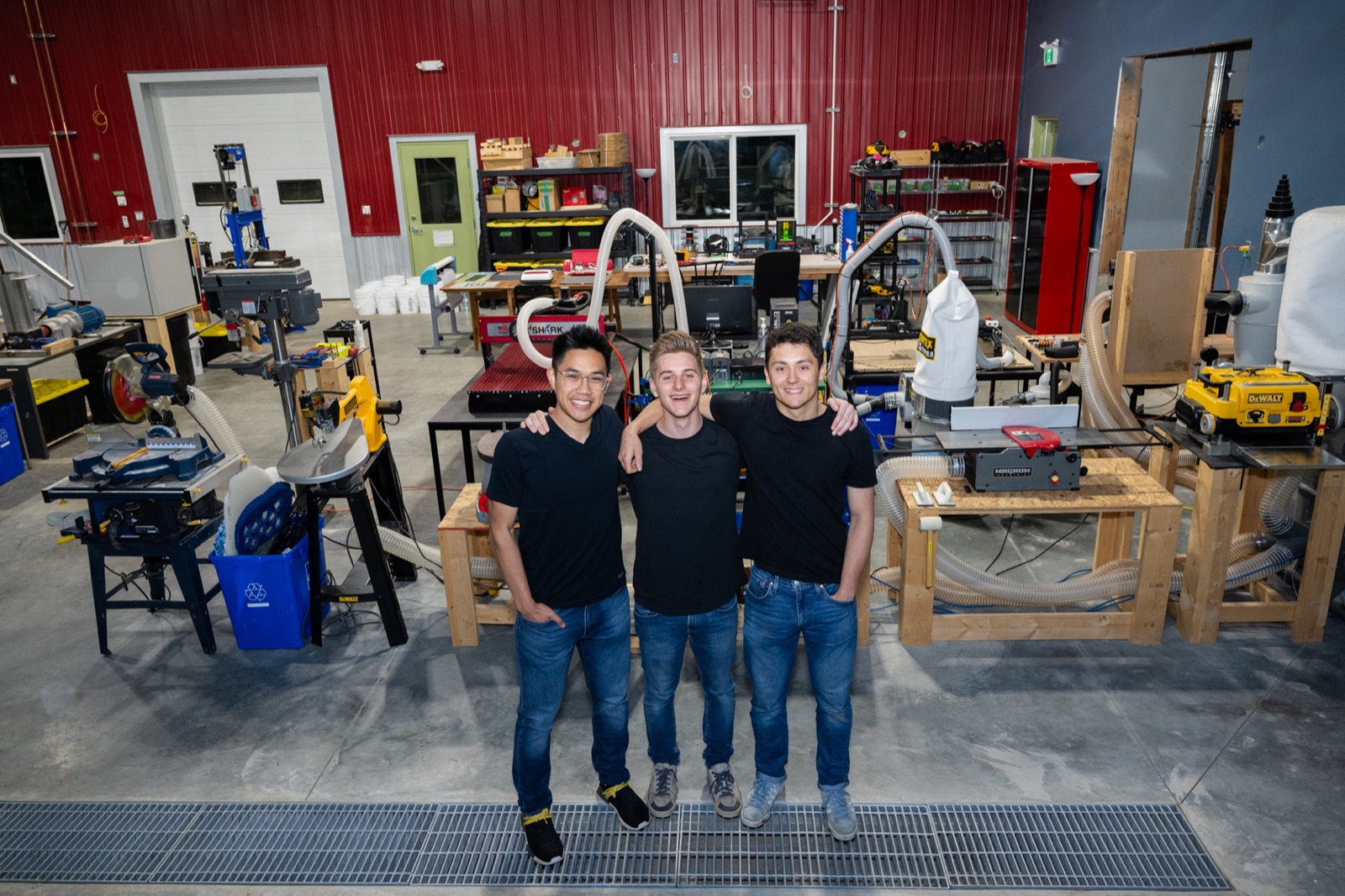
Co-founder and Chief Operating Officer. Led design and fabrication of the recycling machinery and ran the production line.
- in funding secured
- $400k
- sq ft of lab and production space
- 1,600
- research-group members today
- ~30
Background
I co-founded Level 7 with two friends in our first year of engineering at the University of Alberta. At the end of 2017 China had stopped accepting most foreign plastic waste, closing a major export outlet for a country that already sent 86% of its plastic waste to landfill. Level 7 set out to show that recycling could happen where the waste is generated: a line compact enough to run on campus, on the university's own plastic.
Overview
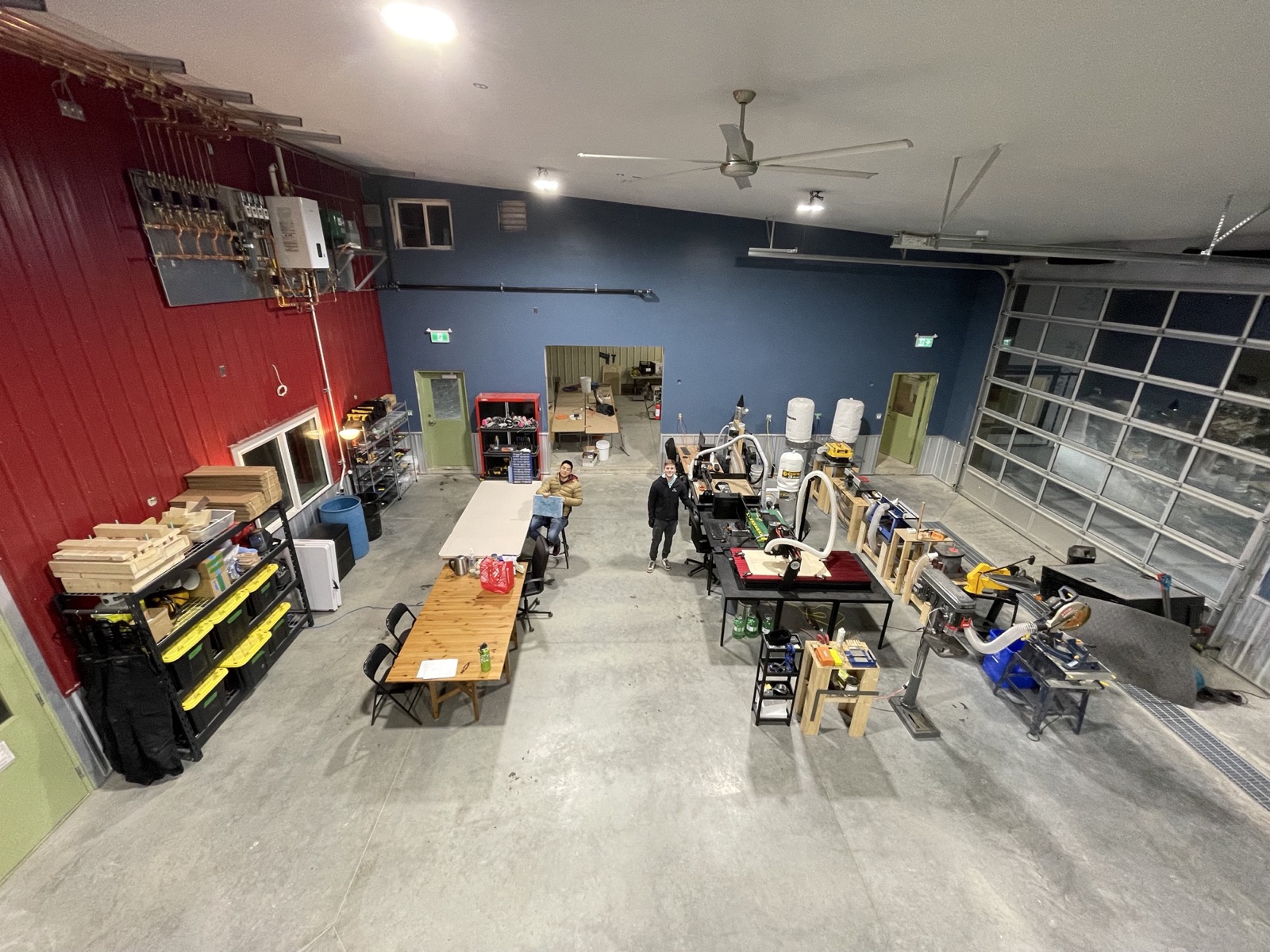
We leased an off-campus shop and built the processing equipment in-house, adapting Precious Plastic's open-source designs; the commercial machines we evaluated were too expensive, undersized, or poorly matched to the feedstock. With the line running, we moved into manufacturing, starting with climbing equipment led by a recycled-HDPE hangboard, then sheet stock, structural beams, furniture, and coasters.
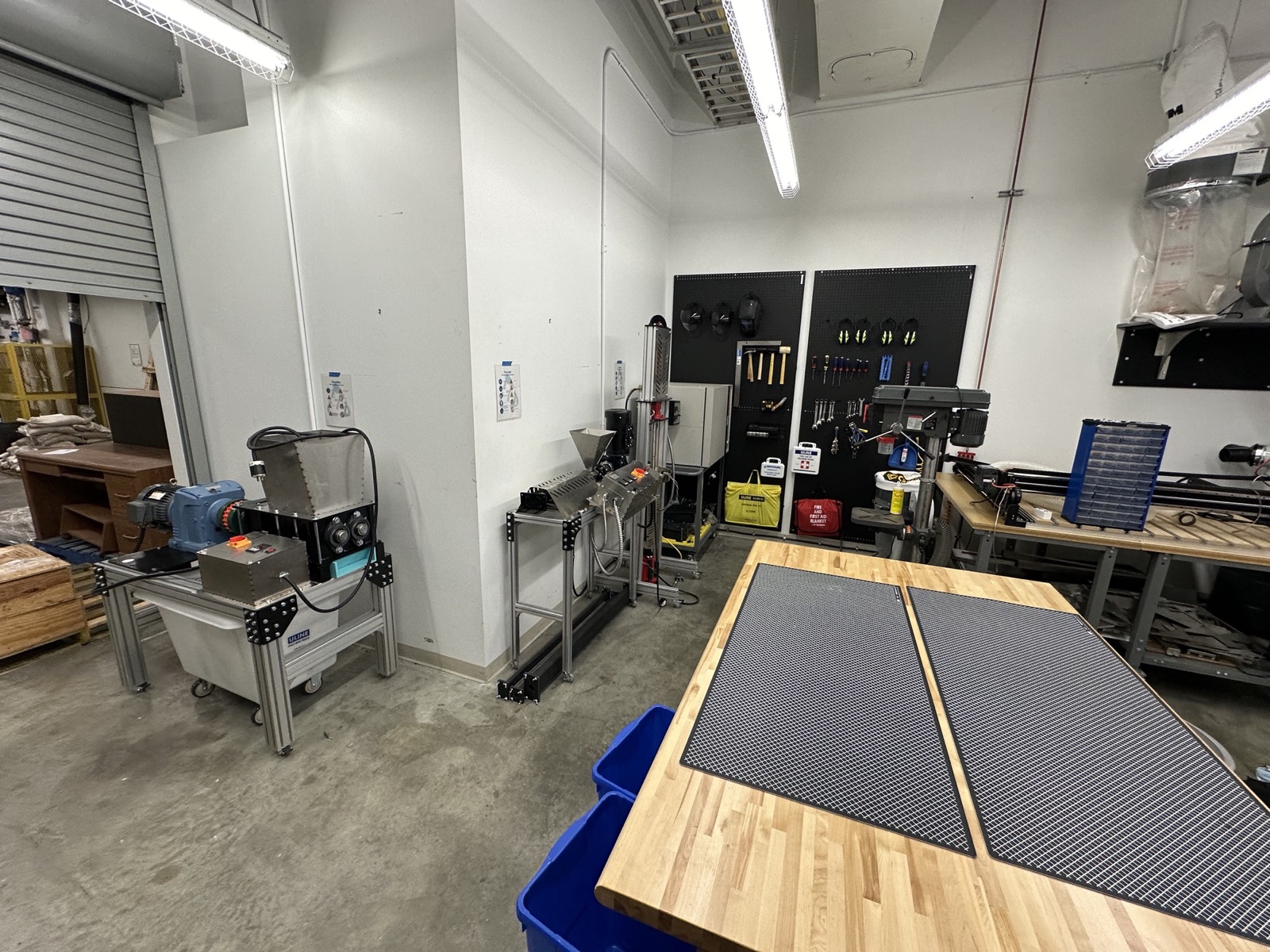
The objective was always a line the university could run on its own waste. Securing it took months of proposals to the university's space and funding committees, with the off-campus line as proof of concept; the university committed $100,000. In total Level 7 raised $400,000, secured a dedicated on-campus facility with utilities installed, and commissioned an operational lab. It now continues as a permanent university research group of about 30 members.
Projects
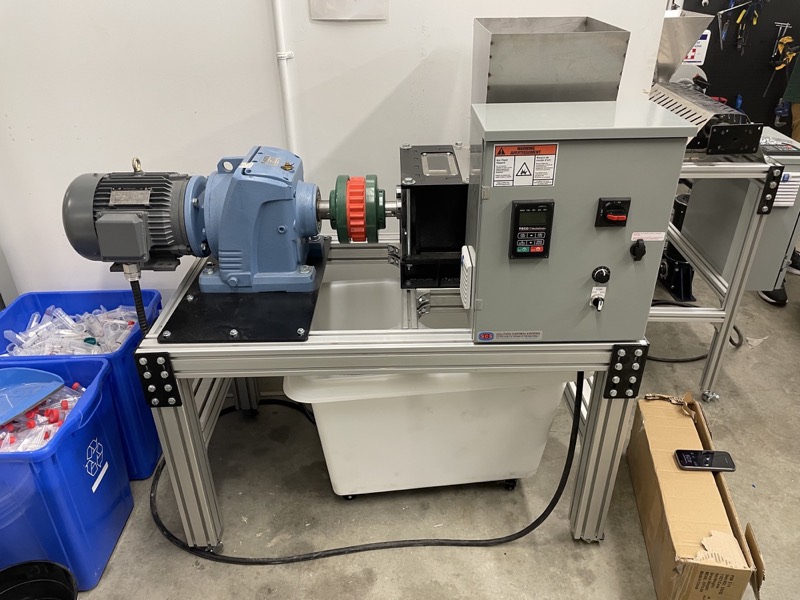
Double-shaft plastic shredder (v4, production unit)
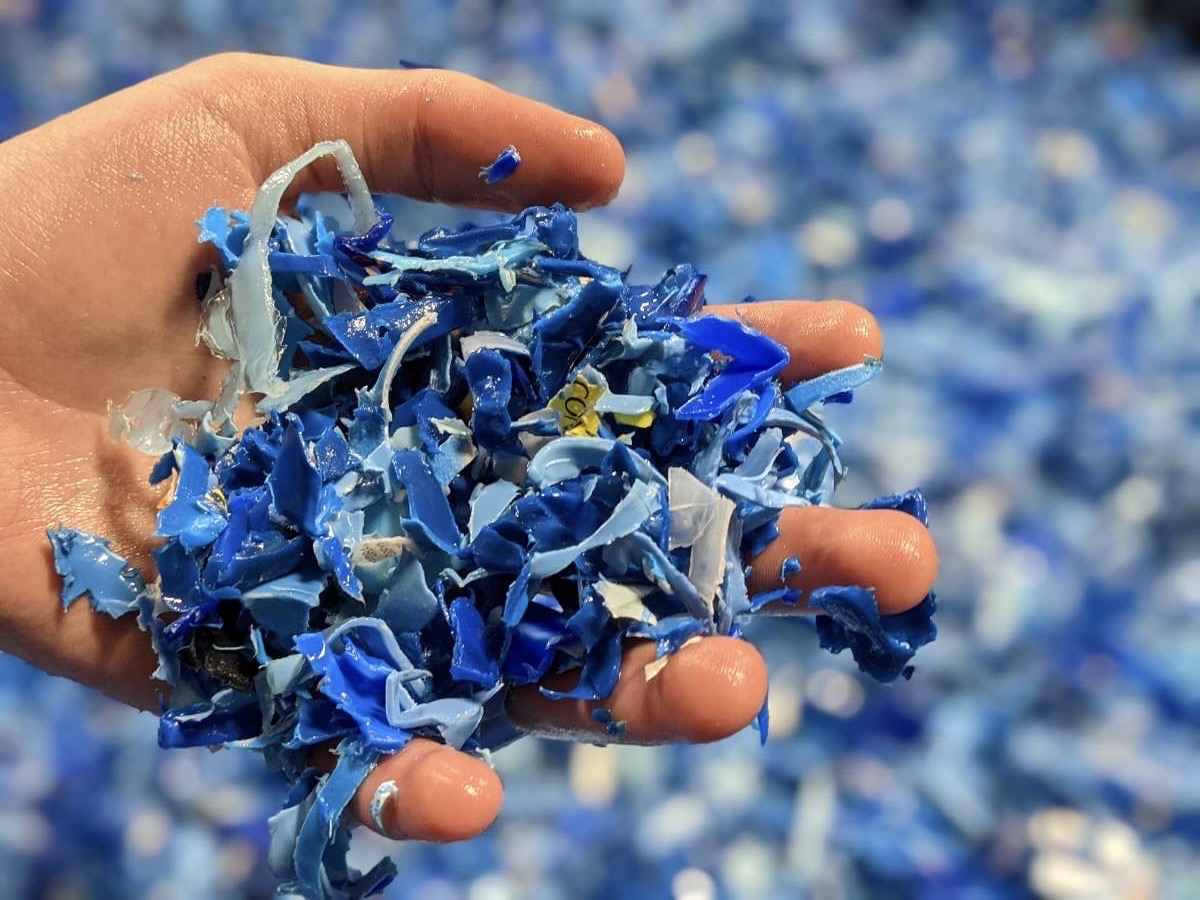
First stage of the recycling line: a double-shaft shredder adapted from the open-source Precious Plastic design. The third of three builds, following a paper-shredder proof of concept and a small prototype.
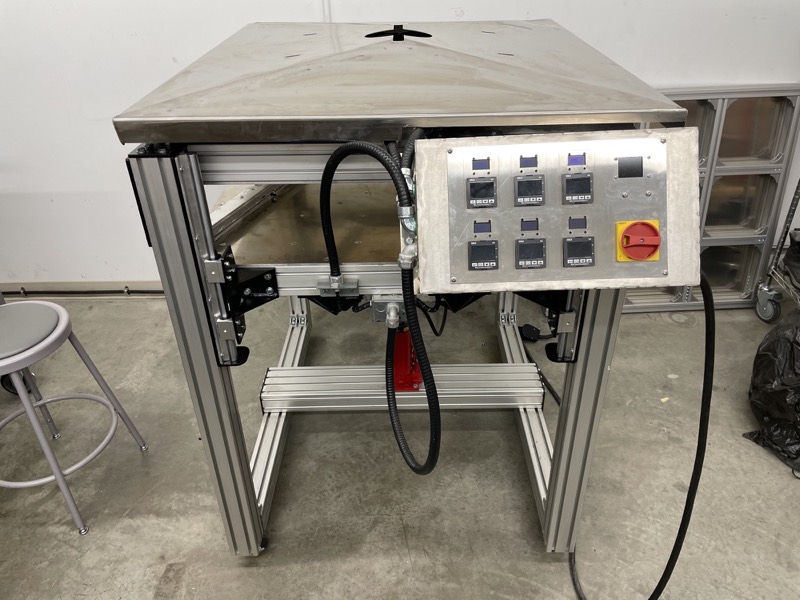
Heated sheet press for recycled HDPE (compression moulding)
Heated hydraulic press that compression-moulds shredded HDPE into large sheets, the stock for Level 7's hangboards and furniture. Still in service with the university research group.
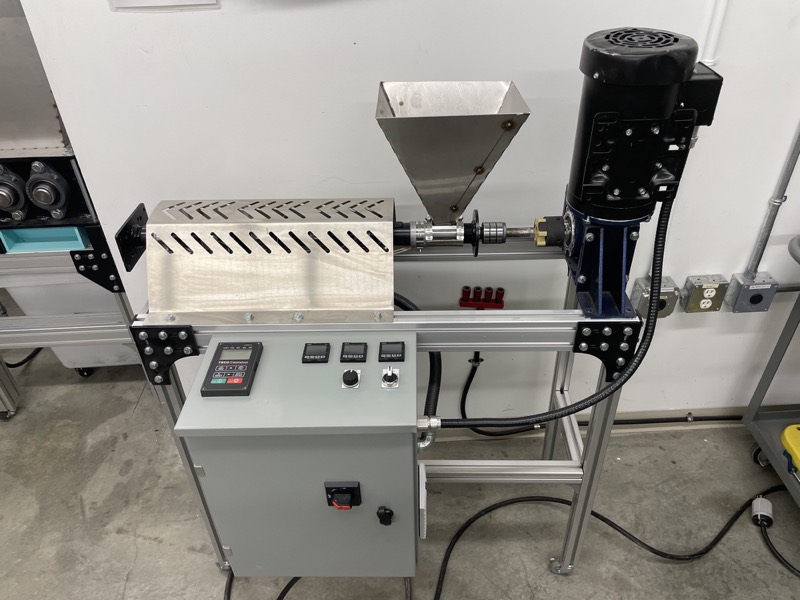
Screw extruder for recycled HDPE beams
Single-screw extruder, gear-driven, used primarily to produce recycled-HDPE beams for construction materials.
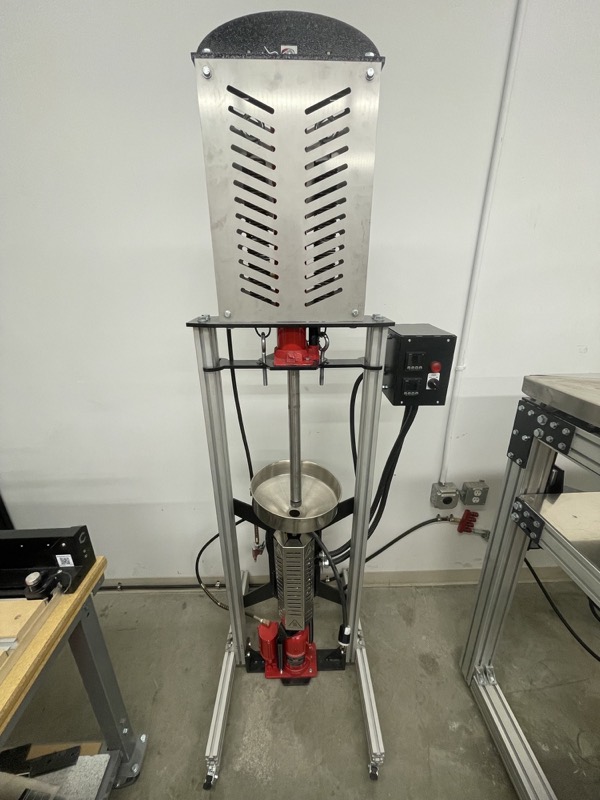
Hydraulic injection moulder for recycled HDPE
Compact injection moulder driven by a hydraulic press, used with custom steel moulds for product parts.
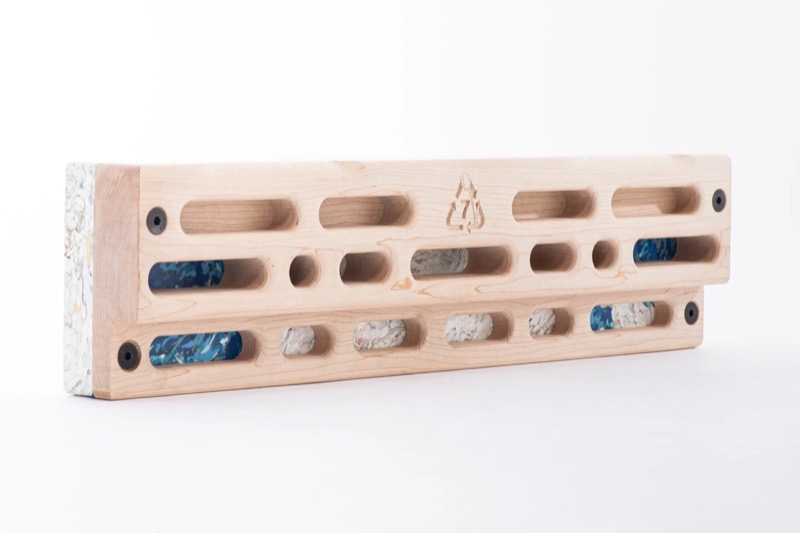
Recycled-HDPE product line (hangboard, tables, chairs)
Products machined from recycled-HDPE sheet off the Level 7 sheet press. The climbing hangboard (The Chalkboard) and furniture were the core lines; Level 7 also built a trad gear organizer for a sporting goods company and sold coasters and a guitar body.
My contribution
I led machine design and fabrication. I adapted four Precious Plastic designs (shredder, sheet press, injection moulder, and extruder), produced the CAD in Fusion 360 and SolidWorks, and cut nearly every part myself on a waterjet and a FabLight fibre laser. I assembled the machines and did the electrical with two other engineers; another engineer assisted with the welding. I also designed the product line, ran production alongside the team, including CNC machining of finished goods, and led a team of about 20.
Highlights
- Co-founded a plastics recycling venture and took four open-source machine designs (shredder, sheet press, injection moulder, extruder) to working production units: CAD in Fusion 360, waterjet and fibre-laser cutting of every part, assembly, wiring, and commissioning.
- Led a team of about 20 students on machine assembly and production, and worked the line myself: sorting, washing, pressing, and CNC-routing products from pressed sheet.
- Rewired all machines with CSA-approved components and enclosures after the first electrical build failed inspection.
- Ran a five-stage line (sorting, shredding, washing, melting, moulding) processing 250 kg of HDPE per week.
- Set up 1,600 sq ft of lab and industrial space and put $150,000 into custom machinery builds, utilities, and interns.
- Secured $400,000 in grant funding and managed its budgeting and reporting.
- Designed the product line made from pressed recycled-HDPE sheet: a climbing hangboard, tables, and chairs, cut on a CNC router; also extruded beams for construction materials.
Lessons learned
- The first electrical build failed CSA inspection on non-approved enclosures and components. We re-specified every machine with CSA-approved parts and rewired the line.
Key figures
| Capital funding secured (EMSO, EPGF, APIRG, Green Fund, Faculty of Engineering) | $400,000 CAD |
|---|---|
| Laboratory and industrial space set up | 1,600 sq ft |
| Spent on custom machinery builds, utilities, and interns | $150,000 CAD |
| Line processing capacity | 250 kg/week |
| Plastic diverted in first year | 50,000 bottle equivalents (591 mL) |
| Micro-recycling centres commissioned | 2 facilities |
| Team size (direct reports) | about 20 people |
| Machines designed or adapted and built | 4 machines (shredder, sheet press, injection moulder, extruder) |
| University of Alberta funding (included in the total) | $100,000 CAD |
| Members today (as a university research group) | about 30 members |
Tools and processes
- Materials
- HDPE from post-consumer packaging; soap containers; toys
- Processes
- sorting; shredding; washing; melting; compression moulding; injection moulding; extrusion; CNC routing of pressed sheet
- Tools
- Fusion 360 (primary); SolidWorks; waterjet; FabLight fibre laser; plasma cutter; CNC router; table router; saws; drill press